Technology
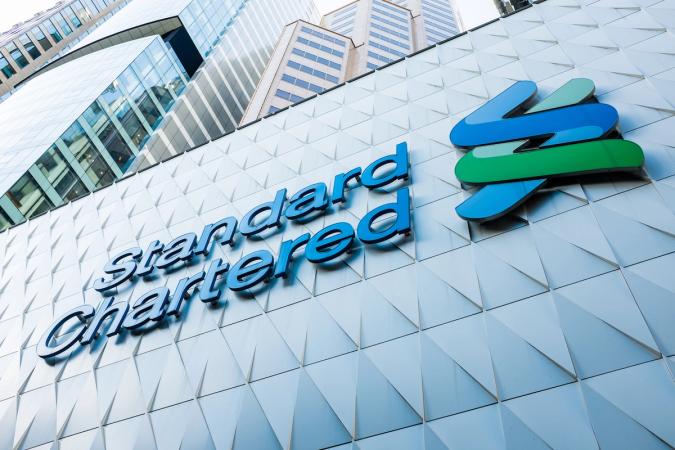
Standard Chartered and SBI back crypto insurer Soter as funding reaches $23.5 million
By Katherine Langford
Advertisement · Why this ad?
Katherine oversees editorial operations across all six brands. Before joining The Meridan Group, she spent 14 years at the Minneapolis Star Tribune, where she led the metro desk through its digital transformation. She holds a Master's in Journalism from Northwestern's Medill School.
More from Katherine →
In the heart of New York City, a group of tech-savvy individuals operates in the shadows, their actions reverberating through the cryptocurrency world. Among them, a collective known as TraderTraitor has emerged, notorious for their audacious hacking exploits. Their most infamous act? The $6.3 billion heist from the cryptocurrency exchange Binance, a theft that not only shook the foundations of the digital currency market but also raised urgent questions about security protocols and regulatory oversight.
On May 7, 2019, Binance, one of the largest cryptocurrency exchanges globally, reported a significant security breach. Hackers managed to withdraw 7,000 Bitcoin, valued at approximately $40 million at the time, from the exchange's hot wallet. This incident was a wake-up call for the cryptocurrency industry, which had long been criticized for its lack of robust security measures. The total estimated losses from various hacks in the crypto space have now reached an astounding $6.3 billion, with TraderTraitor being implicated in several high-profile incidents.
TraderTraitor is believed to be a decentralized collective rather than a single entity. This anonymity adds to their mystique and makes them difficult to track. The group is known for its advanced hacking techniques, including phishing, social engineering, and exploiting vulnerabilities in blockchain protocols. Their ability to remain under the radar while executing complex heists has made them a formidable adversary for cryptocurrency exchanges.
The modus operandi of TraderTraitor is as sophisticated as it is alarming. They often begin their attacks with extensive reconnaissance, gathering information about their targets. This includes identifying weaknesses in security systems and understanding the behavior of employees. Once they have sufficient intel, they employ various hacking techniques to breach the system.
One of the most notorious methods used by TraderTraitor is phishing. By creating fake websites that mimic legitimate exchanges, they trick unsuspecting users into entering their credentials. This allows the hackers to gain access to user accounts and, ultimately, the funds stored within them. Additionally, they have been known to use social engineering tactics, manipulating employees into revealing sensitive information.
The impact of TraderTraitor's activities extends far beyond individual losses. The Binance hack, in particular, sent shockwaves through the cryptocurrency community, prompting exchanges to reevaluate their security measures. Many platforms have since implemented stricter protocols, including two-factor authentication and enhanced monitoring systems. However, despite these improvements, the threat of hacking remains ever-present.
For everyday users, the consequences of these hacks are dire. Trust in cryptocurrency exchanges has been severely shaken, leading to a decline in user engagement and investment. Many potential investors are now hesitant to enter the market, fearing that their funds may not be safe. This erosion of trust is detrimental to the growth of the cryptocurrency ecosystem, which thrives on user confidence and participation.
Local cryptocurrency enthusiasts, like those who frequent meetups in Brooklyn and Manhattan, have expressed their concerns. Many have shared stories of friends and family who lost significant amounts of money due to hacks, leading to a more cautious approach to investing in digital currencies. The sense of community that once thrived around cryptocurrency discussions has been overshadowed by fear and skepticism.
Amidst the fear, voices from the local cryptocurrency community highlight the resilience and determination to push forward. Alex Chen, a software developer and active participant in NYC crypto meetups, stated, "While the fear is palpable, it also fuels a desire for better security and education. We can't let these hackers stifle innovation. We need to learn from these incidents and build a more secure future for digital currencies."
Similarly, Sarah Lopez, a financial analyst who has invested in cryptocurrency for years, expressed her disappointment: "I lost a significant amount during the Binance hack. It’s disheartening, but I believe in the potential of this technology. We need to come together as a community to advocate for better security measures and regulations that protect us all."
The rise of hacking groups like TraderTraitor has prompted calls for increased regulation in the cryptocurrency space. Lawmakers and regulatory bodies are beginning to recognize the need for a more robust framework to protect investors and ensure the integrity of exchanges. In response to the Binance hack, the U.S. Department of Justice launched an investigation into the incident, signaling a shift towards greater accountability in the industry.
As authorities ramp up their efforts to combat cybercrime, it is essential for cryptocurrency exchanges to collaborate with law enforcement. By sharing information and resources, they can better protect themselves and their users from future attacks. The development of a comprehensive regulatory framework will also play a crucial role in restoring trust among investors.
In New York City, where cryptocurrency innovation is booming, the regulatory landscape is evolving. Local startups and blockchain companies are advocating for clearer regulations that not only protect consumers but also encourage growth and innovation in the sector. The New York State Department of Financial Services has been particularly proactive, pushing for regulations that address cybersecurity concerns while fostering a healthy environment for blockchain technology.
Local advocacy groups are stepping up to ensure that the voices of everyday users are heard in the regulatory process. Organizations like the New York Blockchain Alliance are hosting forums and discussions to educate the public about their rights and the importance of cybersecurity. These initiatives aim to empower users to advocate for stronger protections and hold exchanges accountable for their security practices.
Additionally, collaborations between tech companies and educational institutions are emerging, focusing on developing cybersecurity talent within the community. Programs designed to equip the next generation of cybersecurity professionals are crucial as the demand for skilled individuals in this field continues to rise.
As the cryptocurrency market continues to evolve, so too must the security measures that protect it. TraderTraitor and similar groups will undoubtedly adapt their tactics, making it imperative for exchanges to stay one step ahead. Continuous investment in security technology, regular audits, and employee training are essential components of a proactive security strategy.
Moreover, the importance of community awareness cannot be overstated. Educating users about the risks associated with cryptocurrency and the measures they can take to protect themselves is vital. Initiatives aimed at raising awareness about phishing scams and safe trading practices can empower users to make informed decisions.
Local organizations, such as the New York Blockchain Alliance, are stepping up to provide resources and training for both users and companies. Workshops and seminars focused on cybersecurity best practices are becoming more common, as the community rallies to combat the threat posed by groups like TraderTraitor.
The future of cryptocurrency security hinges on a collective effort from exchanges, regulators, and users alike. By fostering a culture of vigilance and collaboration, the community can work together to mitigate the risks posed by groups like TraderTraitor and ensure a safer trading environment for all. As the market matures, the hope is that increased security measures and regulatory clarity will restore confidence in cryptocurrency, allowing it to reach its full potential as a transformative financial technology.
By Katherine Langford

By Katherine Langford

By Katherine Langford

By Marcus Chen