
Business
Here are the 2027 capital-gains tax rates for each income level
By Marcus Chen
Advertisement · Why this ad?
Katherine oversees editorial operations across all six brands. Before joining The Meridan Group, she spent 14 years at the Minneapolis Star Tribune, where she led the metro desk through its digital transformation. She holds a Master's in Journalism from Northwestern's Medill School.
More from Katherine →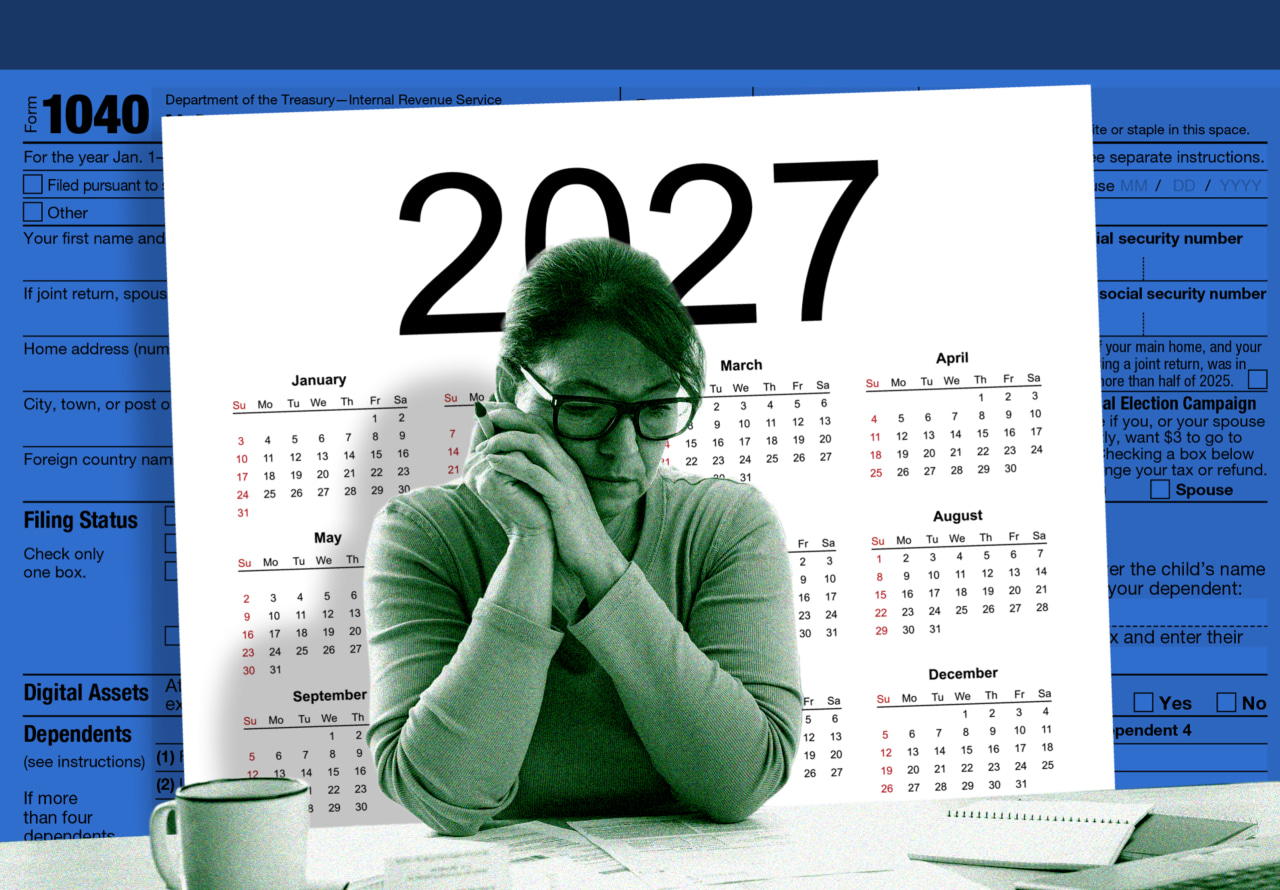
On a crisp autumn morning in Manhattan, a young family gathers around their kitchen table, reviewing a letter that could influence their financial future. The letter, from the IRS, announces significant adjustments to tax brackets and deductions for 2027. For many New Yorkers, this news underscores a broader economic reality: inflation’s persistent grip is reshaping the landscape of American taxation, impacting families striving to uphold the American dream of stability and prosperity.
As of 2027, the income thresholds that determine tax rates will be adjusted at a steeper pace than in previous years. This means that a larger portion of income will fall into lower tax brackets, providing some relief amid ongoing inflation. According to recent federal updates, the standard deduction—the amount taxpayers can subtract from their taxable income—will increase, offering a vital cushion for middle-class families. The IRS’s adjustments reflect an effort to keep pace with rising living costs, but the real-world impact hinges on individual circumstances.
Specifically, the standard deduction for single filers is projected to rise to approximately $14,000, while married couples filing jointly could see deductions nearing $28,000. These figures are designed to shield more income from taxation, easing the burden on families working to meet rising expenses. Meanwhile, the SALT (State and Local Tax) deduction, a critical benefit for New Yorkers, remains a point of contention, with recent reforms capping the deduction at $10,000. This cap continues to influence the tax planning strategies of residents in high-tax states like New York.
Understanding these changes is especially important for residents of New York City, where the cost of living is among the highest in the nation. With housing, transportation, and everyday expenses soaring, the ability to maximize deductions and understand tax brackets can make a real difference in household budgets. Local tax preparers and financial advisors in NYC are already advising clients to revisit their withholding strategies and plan ahead for the upcoming tax season.
For the typical New York household, the 2027 adjustments could mean a noticeable difference at tax time. Families with moderate incomes may find themselves paying less in federal taxes, freeing up resources for education, healthcare, or homeownership. Small business owners, many of whom are deeply embedded in the city’s vibrant economy, will also need to reassess their tax strategies in light of these changes. The increase in the standard deduction and adjustments to tax brackets could influence their profitability and reinvestment plans.
However, the cap on SALT deductions continues to be a point of concern. Many residents and small business operators in New York City pay substantial state and local taxes, often exceeding the $10,000 cap. This limitation effectively reduces their ability to deduct these taxes, resulting in higher overall tax bills. Advocacy groups and local officials are urging Congress to revisit the SALT cap, emphasizing its disproportionate impact on New Yorkers and the importance of maintaining fair tax policies that support strong families and thriving communities.
In fact, the SALT deduction cap has been a contentious issue for years, especially in high-tax states like New York, New Jersey, and California. Local governments argue that the cap undermines their ability to fund essential services, from public education to infrastructure upgrades. For many New York City residents, this cap means they are effectively paying taxes twice—once to the state and local governments, and again through federal taxes, with limited relief. This ongoing debate has prompted local officials to lobby Congress for reforms, emphasizing the economic strain on their constituents.
Local community leaders and financial advisors emphasize the importance of understanding these changes early. “Tax planning is more crucial than ever,” says Maria Lopez, a financial counselor based in Brooklyn. “Families should review their withholdings and consider how these adjustments affect their overall financial health.” For many, the goal remains clear: to preserve the stability of their households and continue building a foundation rooted in faith, family, and community.
Maria Lopez, who has been advising Brooklyn families for over a decade, notes that the current economic climate requires proactive planning. “Many of my clients are concerned about rising expenses and how to maximize their deductions,” she explains. “By adjusting their withholding now, they can avoid surprises at tax time and ensure they’re not overpaying or underpaying throughout the year.”
Looking ahead, experts predict that inflation will continue to influence tax policy and economic stability in the coming years. Policymakers are also debating potential reforms to SALT and other deductions, aiming to create a more equitable system that supports American families. For New Yorkers, staying informed and proactive will be key to navigating these changes successfully and maintaining the resilience that defines their communities.
Additionally, local advocacy groups are mobilizing to push for broader tax reforms. The New York State Society of CPAs and the New York City Taxpayers Alliance have both issued statements urging Congress to reconsider the SALT cap and to provide targeted relief for high-tax states. These organizations argue that fairer tax policies are essential to sustaining New York’s economic vitality and ensuring that middle-class families are not disproportionately burdened.
The significance of these tax changes extends beyond individual finances. For many in New York City, taxes fund vital public services—schools, hospitals, transportation, and safety programs—that are essential to maintaining the city’s vibrancy. When tax policies shift, especially those that limit deductions or increase liability, the ripple effects can influence everything from public school funding to infrastructure projects.
Moreover, the city’s diverse communities—ranging from long-standing immigrant neighborhoods to rapidly gentrifying areas—are particularly sensitive to these changes. Small business owners in Queens and Brooklyn, many of whom operate family-run shops and restaurants, face higher costs that are compounded by limited deductions. Their ability to stay afloat directly impacts employment and the local economy.
Community organizations and local government officials are closely monitoring the situation, advocating for policies that balance fiscal responsibility with economic fairness. They emphasize that equitable tax policies are fundamental to preserving the social fabric of New York City, ensuring that all residents can thrive regardless of income level.
Looking ahead, the next steps involve both federal and local action. The IRS will continue to provide guidance on how these adjustments are implemented, with updated forms and instructions for taxpayers. Meanwhile, Congress remains under pressure from high-tax states to revisit the SALT cap, with some legislators proposing legislation to lift or modify the cap in upcoming sessions.
At the local level, New York City officials are preparing informational campaigns to educate residents and small business owners about upcoming changes. Workshops, webinars, and outreach efforts are planned to ensure everyone understands how to optimize their tax filings and plan accordingly.
Furthermore, community advocacy groups are lobbying for broader reforms, emphasizing that fairer tax policies are essential for economic stability and social equity. The upcoming political debates and legislative sessions will be crucial in shaping the future of tax policy, not just for 2027 but for years to come.
In the meantime, residents are encouraged to consult with tax professionals, review their financial plans, and stay informed through official channels such as the NYC Department of Finance and the IRS website. As New York continues to adapt to these changes, the resilience and unity of its communities will be vital in navigating the evolving landscape of American taxation.
By Marcus Chen
By Marcus Chen

By Marcus Chen

By Katherine Langford